 A fast return into the old nested table layout. Modular People plays for me the ideal horizontal way: a low quantity of text and a big images. Interesting are the vertical menu -tall as the page- at the end/right of the site, with internal links that carry to the sections; these are composed by a title on the top with below an image, a group of images with a description on the right or a form.
 The first CSS site presented in this blog is the first of 8 horizontal design featured in the legendary CSS Zen Garden (from now CZG). One of the caratheristic of this project is that the text, only demonstrative, never will be changed and so there aren’t problems with the growth of DIVs height as with a dinamic page.
This text is divided in five (as the number of sections) boxes with equally width and at an equally distance from the top of page: with menu, summary and footer links they are placed side by side with an CSS absolute positioning.
 A very long collection of interesting web design resources, subvided in chapters. The code (composed by frames, table layout, not standard list) must be traduct from scratch in XHTML + CSS, but the alternation of titles and lists, that are disposed in multi-colums way, is interesting as the fixed footer for the site menu and the small javascript that allow – Opera excluded -a mouse scrolling as with a vertical page.
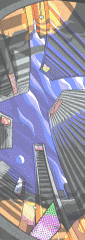 Chris Guest had the good idea to use an horizontal web page to dispose his original art work composed by a long series of images placed side by side, putting a long description of the project under them. This text is divided in equally small paragraphs inserted in colums with also equally height and width: this is due to the use of table layout, that cause, however the same large series of problems as in vertical scrolling sites.
 What metaphisical first entry…Like when “A List Apart†speaks about ‘Lists’: that’s amazing.
